
The most common myth: “Once you leave Tokyo, costs halve and the pay stays the same.” In reality, costs do drop, but not by half, and part-time pay shifts slightly from city to city. Below is how Sapporo, Hiroshima and Kobe compare. All numbers are approximate, so confirm them with your school before enrolling.
I've lived in Japan and helped many students choose between these three cities. One thing first: the best city depends on your goal, not just on rent.
Myth: Sapporo is the cheapest, so it's the best for everyone
Sapporo's rent is usually the lowest of the three, but winter adds real costs. A small studio or shared room often runs about ¥35,000 to ¥50,000 a month, depending on the area. From December to March, though, heating bills rise and you'll need a proper coat and boots.
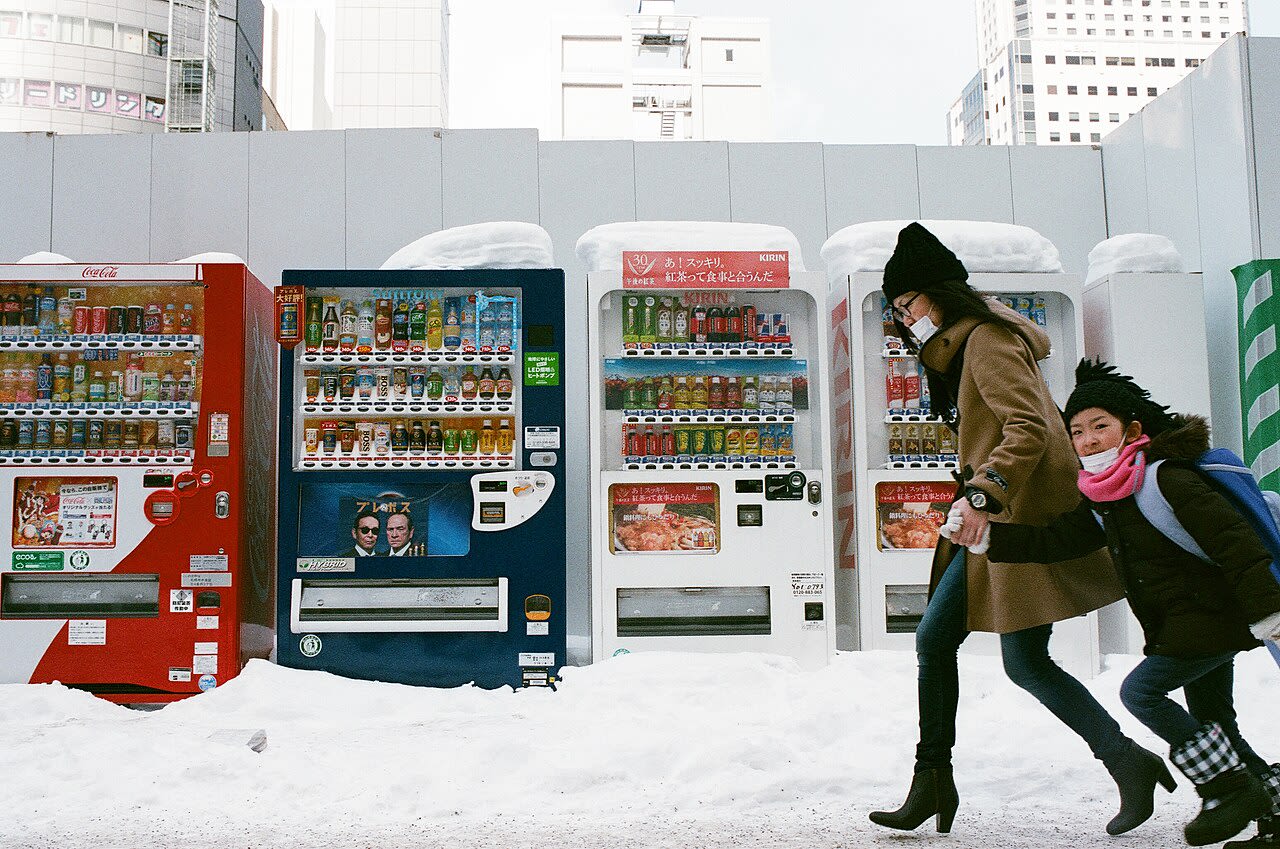
I often tell students: cycling to a part-time shift through ice isn't as pretty as the photos. If you really dislike the cold, Sapporo can feel hard. Those who adjust usually love it. If you search study in Sapporo Bangladeshi student, you'll find good language schools, but ask yourself honestly whether you're ready for the winter.
Myth: Hiroshima is small, so part-time jobs are hard to find
It's the opposite: Hiroshima is a mid-sized city with steady work in convenience stores, restaurants and hotels. Japan regional city part-time job pay is typically around ¥950 to ¥1,100 an hour, tied to the prefecture's minimum wage, which changes every year. Check the current figure.
Student visa holders can usually work up to 28 hours a week, so the earning ceiling is nearly the same in every city. Hiroshima language school cost is often about ¥700,000 to ¥800,000 a year, but fees vary, so ask for a written fee sheet. To understand language school versus university, see this guide.
Myth: Kobe's rent is the same as Tokyo, so there's no point
Kobe is cheaper than Tokyo, but usually the priciest of these three. Kobe international students rent often lands around ¥45,000 to ¥60,000 a month, higher near Sannomiya, lower a bit outside the centre.
What you get in return is closeness to Osaka and Kyoto. The JR line to Osaka takes roughly 20 to 30 minutes. That means more internships, job events and part-time choices, which matters if you plan to work in Japan later.
Myth: Smaller cities don't have good universities
Wrong. Hokkaido University is in Sapporo, Kobe University in Kobe, and Hiroshima University in Hiroshima. All are well-known national universities. Admission usually needs about JLPT N2, or IELTS for English-taught programmes. See the universities page for details.
After HSC, most students start with 1 to 2 years at a language school. This guide explains that route. Scholarships exist, but nothing is guaranteed, so check the scholarships page.
Myth: Part-time income will cover everything
This is the riskiest myth. Working 28 hours can bring in about ¥90,000 to ¥110,000 a month. But finding a job can take two months, and Japanese skills matter. Tuition, rent and insurance are due before that. Japan student cost of living by city usually works out to ¥80,000 to ¥110,000 a month.
So keep at least six months of costs ready from family. Even so, when families compare study abroad cost from Bangladesh, Japan often makes sense, and if you're hunting for the cheapest country to study abroad, cheap Japanese cities for students outside Tokyo keep Japan in the race. Studying in Japan outside Tokyo is a real option.
Myth: A visa guarantees a job afterwards
Moving from a student visa to a work visa is a separate process, and Japanese ability plays a big part. This guide explains the visa types.
My simple advice: choose Sapporo if you handle cold and want low cost, Kobe for more opportunities, Hiroshima for balance. On Sapporo vs Hiroshima vs Kobe, write down your goal first.
I counsel students at the Barishal office of Inochi Global Education Institute, on Nobogram Road, Muslim Para. If you'd like to talk through your budget, we can help with study in Japan guidance, and when you check any student visa consultancy Bangladesh, verify everything in writing.