
Your First Winter in Japan: Snow, Heating Bills, and Health
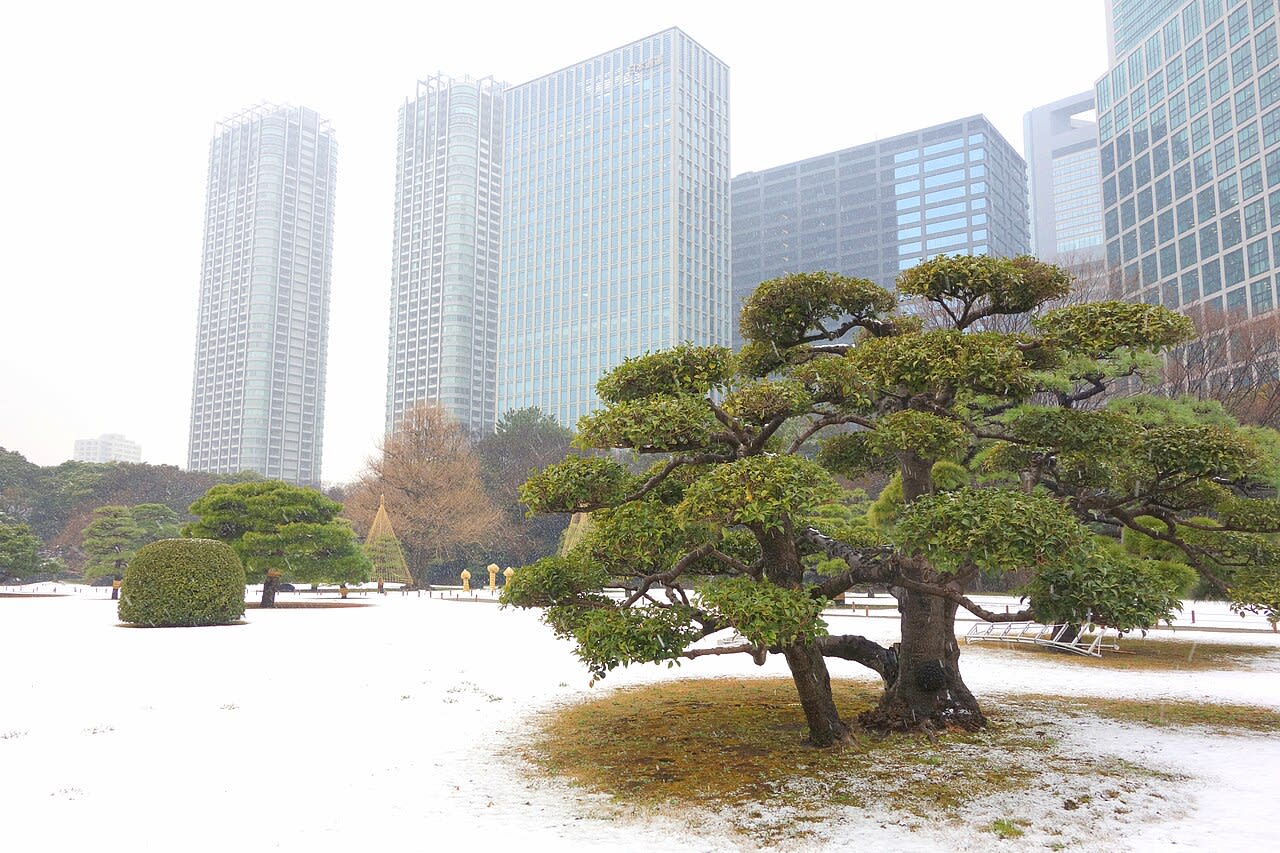
I still remember my first Japanese winter. It was December in Sendai, and I opened the window to find everything covered in white. Growing up in Bangladesh, I had never seen snow before, and I stood there, stunned. But the excitement didn't last long — my hands and feet were freezing, and the heating bill made my jaw drop.
If you're planning to study in Japan, preparing for winter is essential. Japan is a fantastic country — safety, culture, technology, work ethic, and daily convenience — everything makes it an ideal destination for students. But winter here is a whole new experience, both wonderful and challenging.
What's Japanese Winter Like?
Winter in Japan typically runs from December to February. In cities like Tokyo, Osaka, and Nagoya, temperatures hover around 0°C to 10°C. But in Sapporo, Hokkaido, it can drop to -10°C. Coming from Bangladesh where it's often 30°C, this is a shock to the system.
Seeing snow for the first time is magical. Shinjuku Park in Tokyo covered in a white blanket, icicles hanging from branches — it feels like a movie set. But along with the beauty, there are practical realities you need to know.
What Clothes to Buy?
Clothes from Bangladesh won't be enough for a Japanese winter. I wore thick sweaters and wool coats my first year, but when temperatures dropped below freezing, they didn't cut it. Once you arrive, buy thermal underwear like Heat Tech from Uniqlo — they cost around 1,000–2,000 yen each.
- Base layer: Thermal or wool — wear it directly against your skin.
- Mid layer: Sweater or fleece — keeps you warm.
- Outer layer: Down jacket or windproof coat — protects against wind and snow.
- Shoes: Waterproof, non-slip boots — avoid slipping on ice.
- Gloves, scarf, hat: Cover your extremities — it makes a huge difference.
Japanese stores have a huge selection of winter clothing, so don't pack too much from home. Bring a few essentials and buy the rest there.
Heating Bills: How to Manage
Japanese homes don't have central heating — you usually have an air conditioner (heater) or kerosene heater per room. The bill comes monthly. My first winter, I studied late at night with the heater on full blast. My utility bill was about 15,000 yen — way over my budget.
Here are some ways to save:
- Keep your room at 18–20°C — not warmer.
- Turn off the heater at night and use a thick comforter.
- Close curtains or use a futon to cover windows — keeps cold air out.
- Keep bathroom and kitchen doors closed — retain heat.
- Study at the library or a coffee shop — they're heated, and you'll spend less at home.
If you live in a share house, bills are split, but still be mindful. Many students use a kotatsu — a heated table with a blanket underneath. It keeps your legs warm without heating the whole room, saving money.
Health: Colds and Dryness
Japanese winter air is very dry, and sudden temperature changes are common. Colds, sore throats, and chapped skin are common issues. I had a friend who told me, "In Japan, wearing a mask in winter is normal. If you don't, you'll get sick." Indeed, masks are ubiquitous — they protect against colds and flu.
Tips to Stay Healthy
- Wear a mask: Especially on trains or in crowds.
- Drink warm fluids: Hot tea or water keeps you warm.
- Use moisturizer: Prevent dry skin.
- Get vitamin D: Less sunlight in winter, so eat fish or dairy.
- Sleep well: Your immune system needs rest.
Japan's healthcare is excellent, and students have National Health Insurance. You pay only 30% of medical costs. If you feel sick, see a doctor — your international student office can help.
The Joys of Winter
Despite the costs and cold, winter has its magic. Japan is famous for winter illuminations — city streets sparkle with thousands of lights. In Tokyo's Marunouchi area, millions of LED lights create a breathtaking display. And there's nothing like soaking in an onsen (hot spring) while snow falls around you. It's a surreal experience.
Winter food is also amazing. Nabemono (hot pot) and oden — a warm broth with daikon, eggs, and fish cakes — warm you from the inside. Sharing these with Japanese friends is a great way to bond.
Final Thoughts
Winter in Japan might be tough at first, but you'll adapt quickly. Japan's safety, cleanliness, and order make it a great place to study and live. If you buy the right clothes, manage your heating, and take care of your health, winter will be memorable — in a good way.
For more details, check our living in Japan guide, cost breakdown, or compare cities. And if you have questions about winter prep, feel free to contact us. Good luck!
Comments
…