
Cherry Blossom Season in Japan: A Bangladeshi Student's First April
I still remember my first February in Japan. The air was dry and cold, and everyone on the Tokyo train was silent. I thought, what kind of country is this? Then, one morning in late March, I walked out and saw tiny pink buds on the trees along the road. That's when I understood: spring in Japan isn't just weather. It's a whole culture.
Your first April: what no book tells you
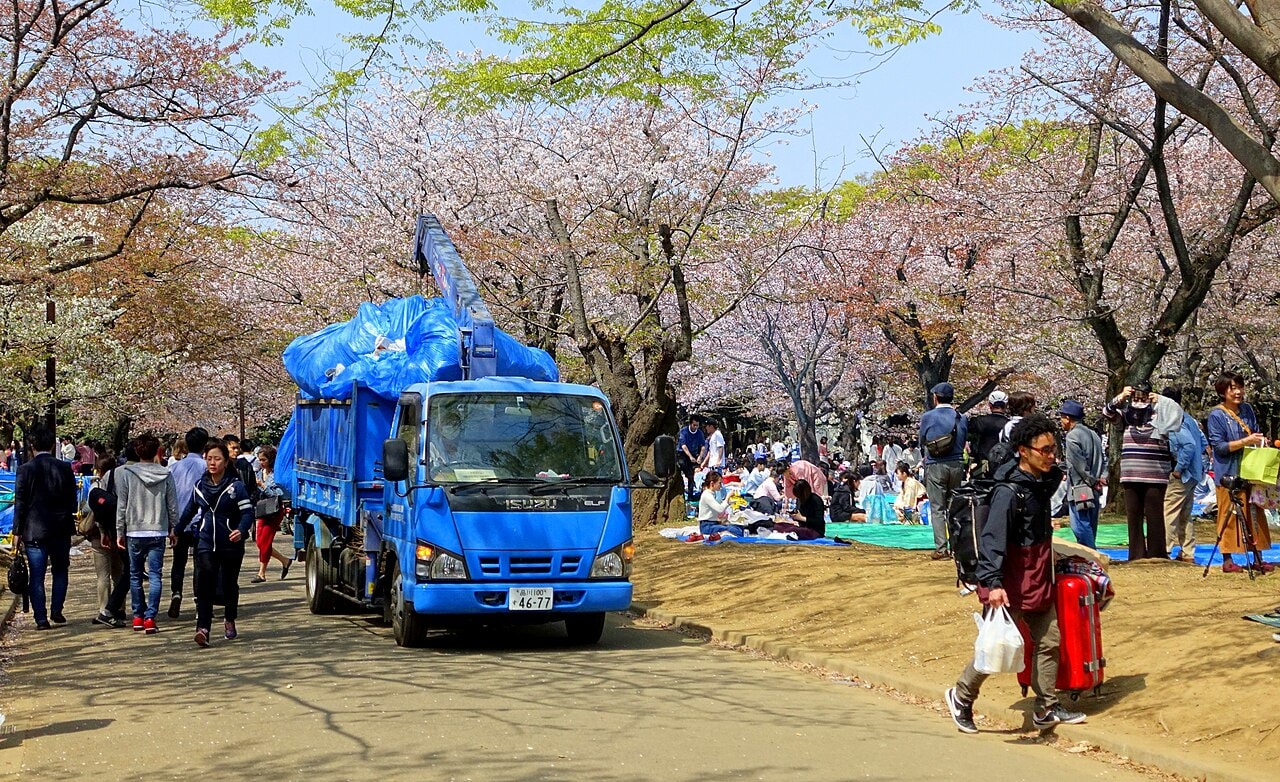
In Bangladesh, April means heat, sweat, and load-shedding. In Japan, April means 15–20°C, a soft breeze, and sakura everywhere. On my first April morning, I went to Shinjuku. At 8 AM, office workers in suits were already sitting on blue tarps under the trees, saving spots for the evening hanami. I thought, in such a busy country, people actually make time for this?
That's Japan. There's a quiet balance between work and rest. If you read our living in Japan guide, you'll see how seasons shape food, clothing, and festivals here.
Sakura 2025: when and where
The sakura bloom shifts every year. Usually, Tokyo blooms in the last week of March to the first week of April. Osaka is a few days later. Hokkaido waits until late April or May. For 2025 dates, check the Japan Weather Association or your school's notice — it changes yearly.
I often tell students: April intake is the most popular for language schools. New sessions start, and the weather is kind. But here's a caution — visa processing is heavier in April. Apply at least 6–8 months ahead.
Hanami: more than a photo op
Hanami isn't just sitting under a tree and taking pictures. It's a social ritual. Companies, schools, and friends gather with food. My first hanami was with classmates at Yoyogi Park. They brought bento, tea, and sweets. I brought singara. Everyone laughed and said, "This isn't Japanese!" Then they tried it and said, "Oishii!"
That's the real beauty of Japan — they respect your culture if you respect theirs.
Spring weather for Bangladeshi students
We Bangladeshis are used to heat. So Japanese spring feels wonderful. But keep these in mind:
- Cold mornings and evenings: Even in April, mornings can be 8–10°C. Carry a light jacket.
- Allergies: Cedar pollen (sugi) allergies are common. Keep a mask.
- Rain: April showers happen. Always keep a folding umbrella.
- Part-time work: Spring brings more cafe, event, and shop jobs. See our part-time jobs guide.
An honest trade-off: it's not all easy
I won't pretend Japan is paradise. The first few months can be hard — language, food, loneliness. I knew a boy from Narayanganj who went to a language school in Tokyo. In his first month, he cried. He couldn't understand Japanese, and he couldn't speak well enough for a part-time job. But six months later, he passed JLPT N4. Now he works at a convenience store in Shinjuku.
So my advice: learn at least N5 or N4 Japanese before you come. It makes life so much easier.
Why Japan? Safety, tech, and quality of life
Japan is one of the safest countries in the world. Women can ride trains alone at 11 PM. Trains are never late — and if they are, you get an apology slip. Healthcare is strong, and students get National Health Insurance, which covers 70% of costs.
Cost-wise, Tokyo can run 80,000–120,000 yen a month (rent, food, train). But a part-time job can bring in 50,000–80,000 yen. For a full breakdown, see our cost of studying in Japan page.
Which city should you choose?
Tokyo is busy, Osaka is lively, Kyoto is calm, Fukuoka is cheaper. If you want sakura, Tokyo or Kyoto are great. If you want fewer crowds, try Sendai or Kanazawa. Explore more on our Japan cities page.
Your first spring in Japan can be one of the most beautiful experiences of your life. But it comes with preparation. If you're still unsure about visas, schools, or costs, come to our Narayanganj (Chashara, College Road) office. I offer study in Japan counselling — over a cup of tea, I'll answer every question you have.
Comments
…