
Saitama vs Tokyo: Why Bangladeshi Students Choose Warabi, Toda & Kawaguchi
You might be wondering: I want to study in Japan, but should I choose Tokyo or somewhere else? Many Bangladeshi students first think of Tokyo, but many end up choosing Warabi, Toda, and Kawaguchi in Saitama Prefecture. Having lived in Japan, I've seen many Bangladeshis in these towns. Why are they so popular? Let's talk over a cup of tea.
Right next to Tokyo, but much cheaper
Kawaguchi, Warabi, and Toda are all in southern Saitama, bordering Tokyo. On the Keihin-Tohoku or Saikyo lines, you can reach Akabane or Shinjuku in just 20–30 minutes. But rent? In Tokyo's 23 wards, a 1K apartment costs 80,000–120,000 yen per month (about 60,000–90,000 BDT). In Warabi or Toda, you can find similar flats for 50,000–70,000 yen. Saving 30,000 yen a month adds up to 360,000 yen a year—that could cover your textbooks or a trip.
Why do Bangladeshis cluster here?
This part of Saitama has a large Bangladeshi community. Around Kawaguchi Station, you'll find halal food shops, Bangladeshi restaurants, and grocery stores. New students can quickly settle in with community help, even before they learn the language. Also, part-time jobs are plentiful—factories, supermarkets, restaurants—where Bangladeshi students already work.
Great opportunities for study and language learning
Saitama has many good Japanese language schools. For example, JLC (Japanese Language Center) in Warabi and some schools in Kawaguchi. These schools often have special support for Bangladeshi students. Passing JLPT N2 or N1 greatly boosts your job prospects in Japan. And living in Saitama means less hustle than Tokyo, so you can focus better on studies.
Why Japan's education system is great
Japan's education isn't just about book knowledge; it teaches discipline and work ethic. I've seen Japanese students clean their classrooms after class. These habits will positively influence your life too.
Easy access to part-time work
International students in Japan are allowed to work up to 28 hours per week. Factories in Saitama pay around 1,000–1,200 yen per hour (about 750–900 BDT). Night shifts pay more. Many students cover their own expenses. But be careful—don't let work overshadow your studies.
Study abroad on a budget
If you're looking for study abroad on a budget, Japan is truly a great option. Tuition fees are 600,000–800,000 yen per year (about 4.5–6 lakh BDT), much lower than in Europe or the US. Living costs are also reasonable. You can learn more about the cost of studying in Japan.
Quality of life: safety, culture, and peace
Japan is one of the safest countries in the world. Walking alone at midnight is not scary. Like Tokyo, Saitama's streets are clean, and trains run on time. You'll get to know Japanese culture—tea ceremonies, temples, festivals—all enriching your experience.
Nature and daily life
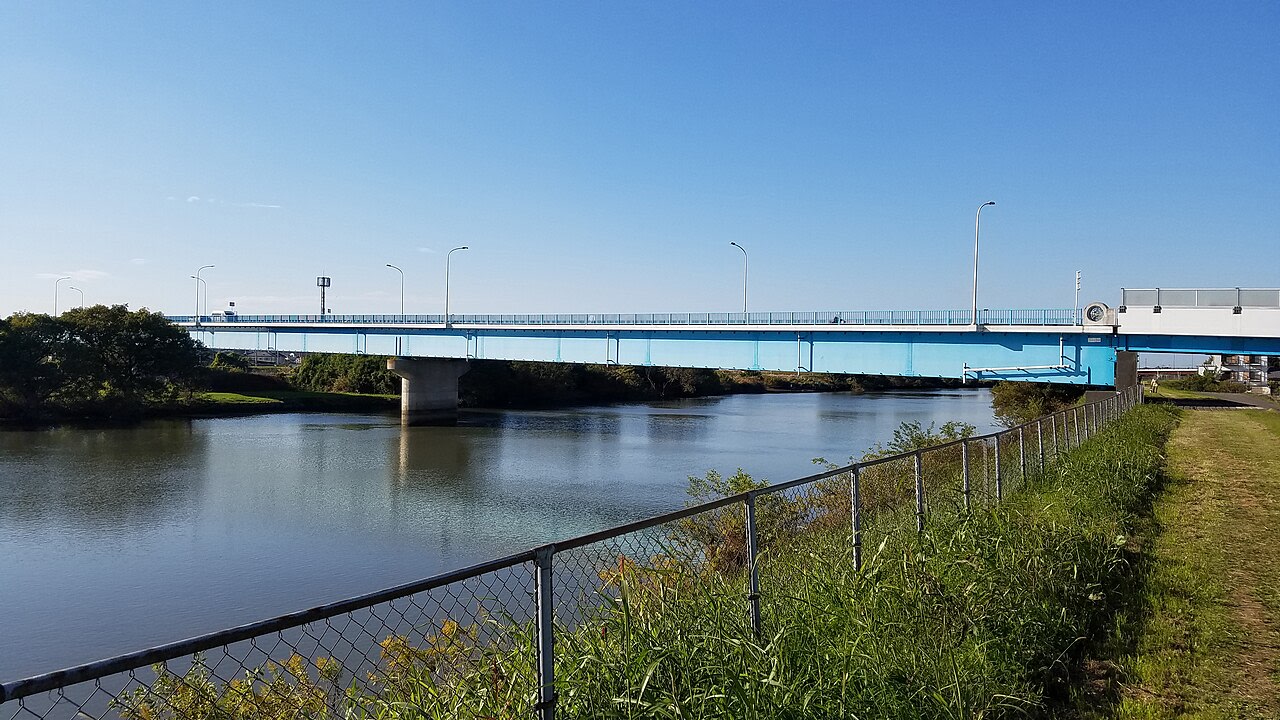
Saitama is greener than Tokyo. Toda has the Arakawa River nearby, where you can take evening walks. Check out our guide to living in Japan for more.
Honest caution: is it all easy?
Let's be real: there are challenges. First, not knowing Japanese is tough initially. Second, Japanese culture is different—work pressure, rules. Third, while rent is lower, some areas near the Arakawa River have flood risk. So be careful when choosing housing.
If you're thinking about studying abroad after HSC, Japan could be your best destination. You can also study abroad without IELTS, as language schools don't require English tests. But do thorough research before applying.
Which city to choose?
- Warabi—small town, but a dense Bangladeshi community. Rent is relatively low.
- Toda—quiet, family-friendly. Easy commute to Tokyo.
- Kawaguchi—larger town, many shops, more job opportunities.
Each city has its own character. Read more in our guide to Japanese cities.
Finding part-time work
For job hunting, check our part-time work guide—it covers how to find jobs and the rules.
Final thought: Japan is undoubtedly a wonderful country, but before deciding, clarify your goals. Do you want to focus on studies? Or earn money? Both are possible, but you need balance.
I counsel students at our Narayanganj (Chashara, College Road) office at Inochi Global Education Institute. Visit our Narayanganj office and I'll answer your questions. Even after you arrive in Japan, our post-arrival support will help you with housing, phone, bank account—everything.
Comments
…