
Can You Call Your Child in Japan Every Day? 5 Parent Myths
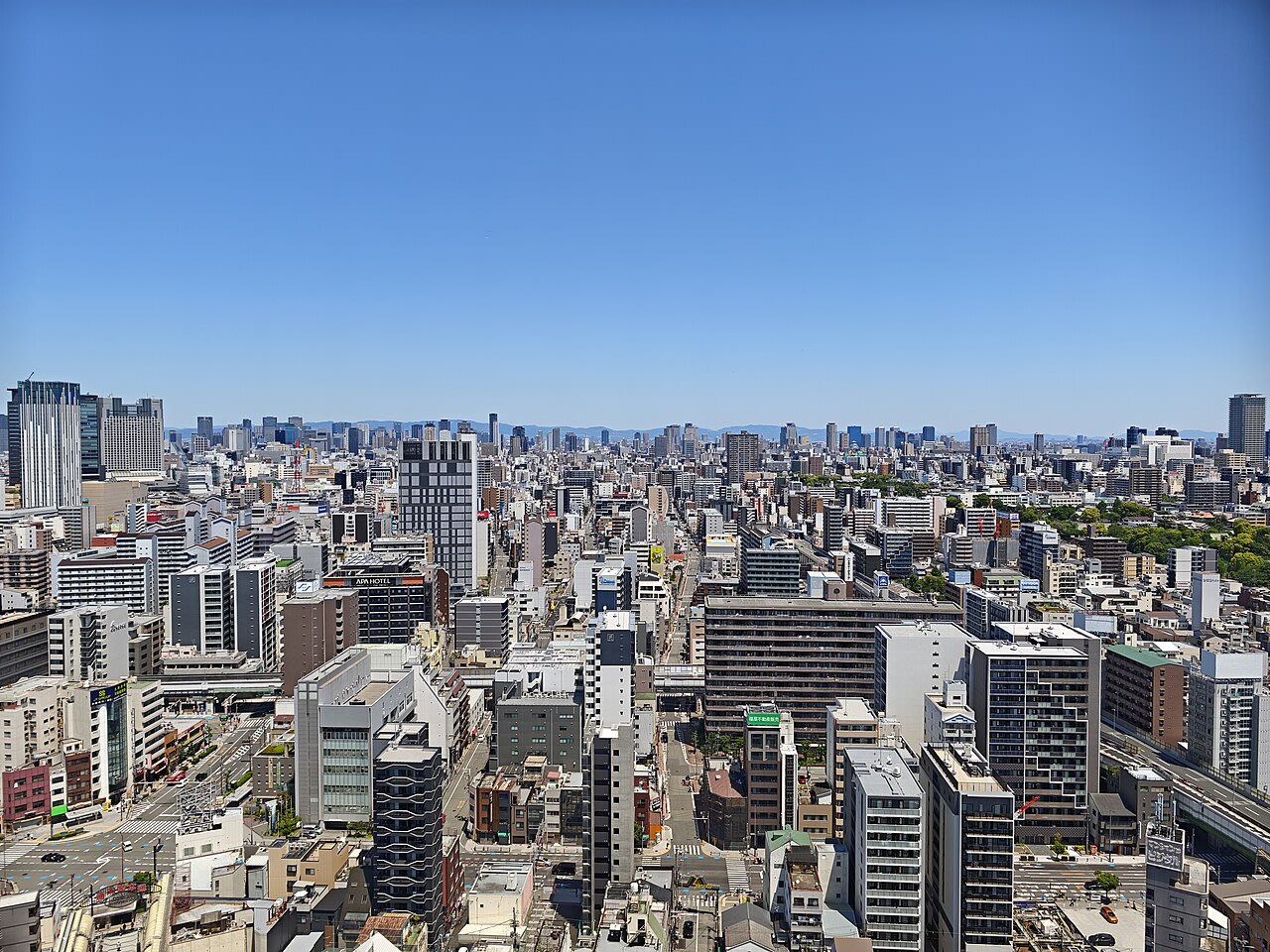
The most common myth: "Once my child moves that far away, we'll hardly speak. A call or two a month would be lucky." The truth is almost the opposite. Among the families I've worked with, most talk more regularly after the move than they did when everyone lived in the same city. Japan has fast internet, Wi-Fi in nearly every dorm, and video calls cost next to nothing.
A few small details help, though. Knowing them in advance takes a lot of the worry away. Let's go through them.
Myth: The time difference will make calling impossible
Bangladesh and Japan are only three hours apart, with Japan ahead. When it's 7 pm in Dhaka, it's 10 pm in Tokyo, Osaka or Fukuoka. Japan doesn't use daylight saving, so the gap never changes through the year.
Compared with Europe or North America, that's almost nothing. On the best time to call Japan from Bangladesh, here's my usual advice: Dhaka 6-7 am (9-10 am in Japan, often before class or on a day off) or Dhaka 7-9 pm (10 pm to midnight in Japan). Mid-day is hard because of classes and part-time shifts, but mornings and evenings work well.
Myth: IMO is easier for parents, so that's all you need
Many parents are comfortable with IMO, and that's fine. But on WhatsApp vs IMO call from Japan, my experience is that WhatsApp usually gives steadier video, and students also use it or LINE for work groups, school notices and friends. IMO shines on weak connections, so it's a great backup when the Bangladesh side has poor internet.
My advice: keep both on the phone. Agree on a main app and a fallback before departure. That way, when a call won't connect at night, nobody's stomach drops.
Myth: Calling Japan is expensive and data plans cost a fortune
App calls run on data, not per-minute billing. In a dorm or share house with Wi-Fi, the cost is close to zero. For a personal mobile plan, a look at Japan SIM data plan for video calls options shows that budget carriers such as Rakuten Mobile, Mineo, IIJmio or LINEMO offer around 20 GB for roughly ¥1,000-3,000 a month. These figures are approximate and change, so confirm on the official sites after arrival.
One caution: getting a SIM often requires a residence card and sometimes a bank account. For the first week or two your child may rely on an airport SIM or pocket Wi-Fi, and calls may be fewer. Tell the family in advance, or that first quiet week can feel frightening.
Myth: Daily calls stop them growing up, but no calls will leave them lonely
Both halves are partly true, and the answer is a simple family check-in routine abroad student setup. For example: one short message daily ("ate, class done"), two or three 15-minute video calls a week, and a longer Sunday-night chat. If every call is "are you studying?", your child will tire of it within months. Ask what they ate, which station they got off at, whether it's raining.
Homesickness in the first six months is normal. Winter, a new language and cooking alone all land at once, and the routine becomes an anchor. Don't push too hard, though. During exam week or after a long shift, short replies are fine.
Myth: There's no way to know your child is safe so far away
This is my favourite thing about Japan. Walking home alone from the station at 11 pm, or leaving a wallet at a convenience store and getting it back the next day, isn't unusual. Clean stations, trains on time, 24-hour Lawson and FamilyMart, and earthquake alerts that arrive on the phone. Life differs by city, and our Japan cities page helps you compare.
There are realities too. Earthquakes and typhoons happen, and breaking the 28-hour weekly part-time limit puts a visa at risk. See the part-time jobs guide. Ask your child to save emergency numbers (110 police, 119 ambulance) and the school office number.
Myth: Japan is expensive, so worry will only grow
People hunting for the cheapest country to study abroad sometimes cross Japan off the list. But when you work out study abroad cost from Bangladesh properly, including language school, part-time income and scholarship options, Japan is often more manageable than Europe or North America. Fees and rent are approximate, so check the cost guide against each school's latest list. Daily-life details are in the living in Japan guide.
Distance is real, but staying in touch isn't hard. Decide today when you'll talk, on which app, and what you'll do if a call goes unanswered.
I counsel students at the Narayanganj (Chashara, College Road) office of Inochi Global Education Institute. If you'd like help with the first steps after landing, such as SIM, address, bank and family contact, take a look at our post-arrival support service.
Comments
…