
Ward Office Registration & My Number Card in Japan: 14 Days, ¥0 to Start
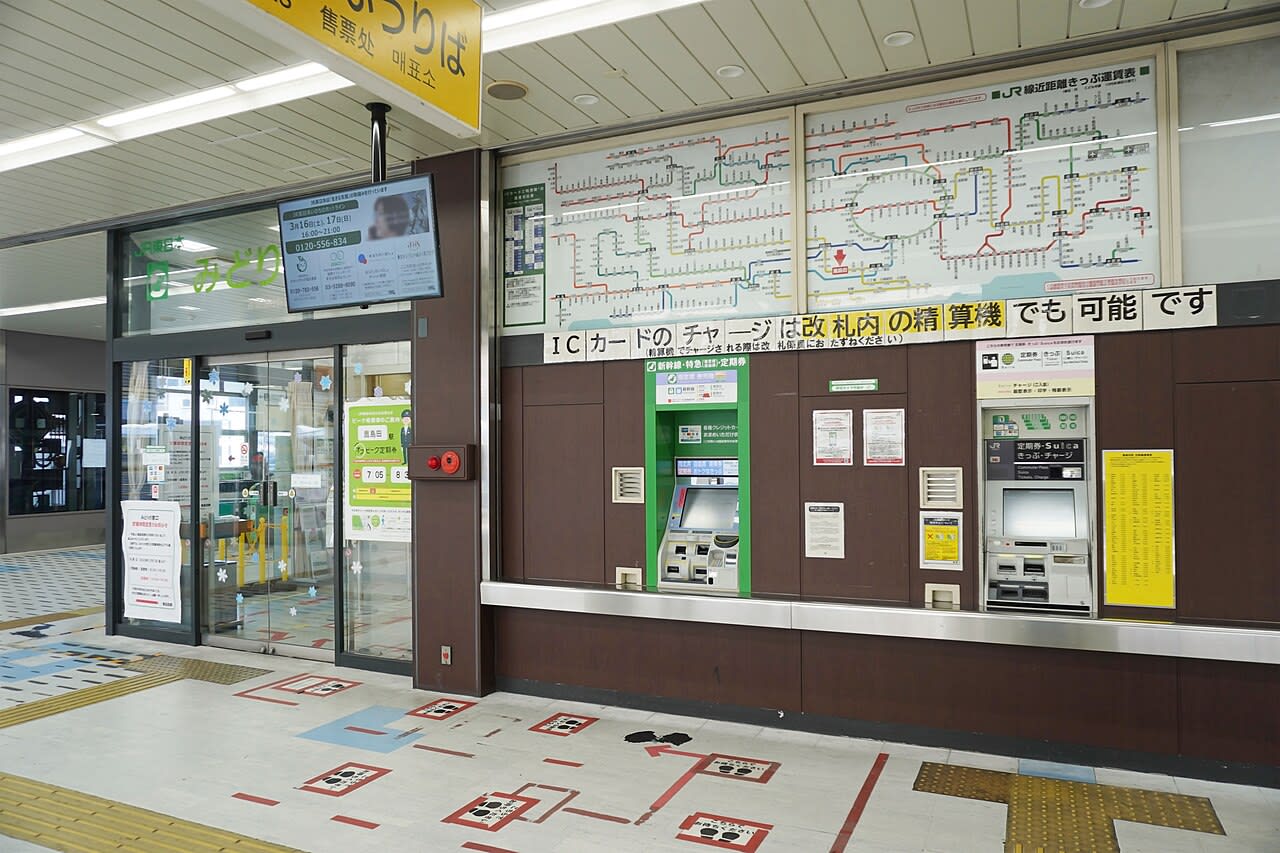
Registering your address in Japan costs ¥0, but the deadline is just 14 days. Keep those two numbers in your head and half of your first-week stress disappears. The real money shows up in the steps right after: health insurance, photos, train fares and your bank.
The 14-day clock: when does it start?
You collect your residence card (在留カード) at the airport, whether that's Narita, Haneda, Kansai or Chubu. It won't show your address yet. From the day you start living at your new address, you have 14 days to visit the city hall or ward office. Know which one is yours, whether that's Shinjuku, Toshima or somewhere in Saitama.
I tell students to go on day two or three. Fourteen days sounds generous, but orientation, a SIM card and grocery runs eat time fast.
Documents: what to carry
- Residence card
- Passport
- Proof of address, such as a tenancy contract or dorm letter (some offices ask)
- Your school's notice, if you have one
The form is the tennyū-todoke (notification of moving in). Once filed, you get a juminhyo (住民票), which is your official proof of address as an international student. The clerk writes your new address on the back of your residence card. That's how the Japan residence card address update works, with no fee.
Move again later and the 14-day rule applies again. Changing cities means a tenshutsu-todoke at the old office and a tennyū-todoke at the new one. Many students forget this.
National health insurance at the same counter
After registering, do your national health insurance enrollment at the ward office, usually in the same building. It's the biggest recurring cost here. Student premiums vary by city, often roughly ¥1,500 to ¥2,500 a month (about 1,200 to 2,000 taka; exchange rates move). Some wards reduce it for low-income first-year residents. Confirm your ward's figure directly. At the clinic you pay 30% of the bill.
One caution: late premium payments can create trouble at visa renewal. You can pay at convenience stores like Lawson or Seven-Eleven, so there's no excuse to delay.
My Number: the number and the card are different
A few weeks after registering, a notice with a 12-digit number arrives by post. That's your My Number. The card is separate and you apply for it. Here's how to get a My Number card in Japan:
- Scan the QR code on the notice with your smartphone
- Take a face photo (booths charge about ¥700 to ¥1,000, or use your phone)
- Submit online, or send it back by post
- When the ward office sends an SMS or postcard, bring your passport and residence card to collect it
There's no government fee for the card, but it typically takes one to two months. Timings can change, so ask your office.
Why the card pays for itself
Banks, tax records for part-time pay, postal services and some online portals use it. Students often ask about the My Number card for a bank account and part-time job in Japan. Employers normally ask for your number. If you plan to study abroad with a part-time job, remember the usual limit is 28 hours a week with permission, at roughly ¥1,100 to ¥1,200 an hour. Clean records here also help later with the scholarship for Bangladeshi students options we list.
What pushes costs up or down
- Lower: registering in week one, dorm housing, school help with photos
- Higher: penalties for late insurance, rejected photos, repeat trips (¥200 to ¥500 per train ride)
If you're still choosing a path, read our guide on language school vs university, or the one on studying in Japan after HSC.
I counsel students at the Barishal office of Inochi Global Education Institute on Nobogram Road, Muslim Para (office page). If you want a steady hand with paperwork before you fly, have a look at our visa and COE support.
Comments
…