
Yes, Japan is well prepared. Before strong shaking, your phone gets a loud alert, often seconds to tens of seconds ahead. Most phones have it switched on already. Shelters are signposted along ordinary streets, and free apps like NERV and Safety tips keep you informed. Earthquakes still happen, but preparation makes daily life feel safe.
7:20 a.m. on a train platform: what happens when your phone suddenly screams?
When your phone shrieks with a harsh tone, that's Japan's early warning, often called J-Alert or Kinkyu Jishin Sokuho. Picture yourself on a platform in Saitama, waiting for the train. Your pocket buzzes, and red Japanese text fills the screen.
The first time, I froze too. But look around: nobody screams. People hold bags over their heads and step away from pillars. Do the same. Protect your head, move away from glass and walls, and wait until the shaking stops.
One caution. Sometimes the alert arrives almost with the shaking, especially when the quake is close. Don't treat it as magic. It simply buys you a few precious seconds.
How do you check J-Alert phone settings as a foreigner?
Most newer phones have emergency alerts on by default, but check once after you land. On Android, open Settings and look for Emergency alerts or Wireless emergency alerts. On iPhone, check that Government Alerts is on under Notifications.
The alert sounds even in silent mode, and at night it will wake you. Don't panic on your first night. Ask your dorm or share-house mates whether they heard the same sound.
How do NERV and Safety tips actually help?
Both are free, and they work even if your Japanese is shaky. The NERV disaster app Japan pushes quick notifications about earthquakes, tsunami and weather. The Safety tips app offers Japanese and English information, with translation help.
I tell students to download both before the flight. Once you land, you'll forget while hunting for Wi-Fi. Add your home, school and part-time areas as locations.
Midday in class: what is an earthquake drill at a Japanese language school like?
Almost every language school runs at least one drill a year. Class is going, the speaker crackles, and the teacher says "Under the desk!" You cover your head, then everyone files down the stairs to the yard.
It may feel odd at first, but take it seriously. You'll pick up words like nigete (run), hinan (evacuation) and tsunami, useful even at N5. A culture of everyday readiness like this is part of what makes Japan stand out for study abroad with part-time job plans too.
On your afternoon walk: how do you spot a hinanjo (evacuation shelter)?
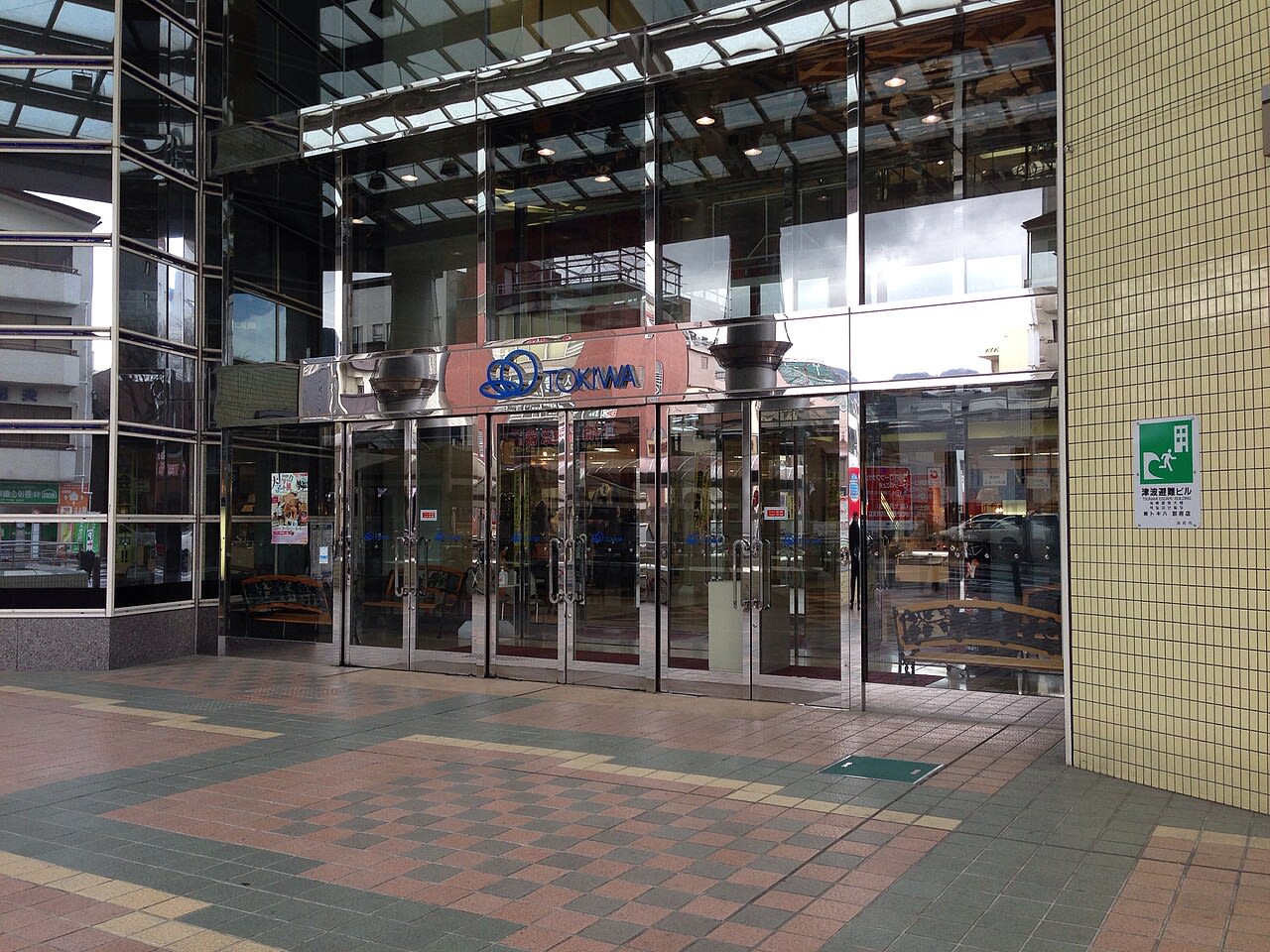
Look for the green and white sign of a running figure with an arrow. For evacuation shelter hinanjo Japan students rely on, it's usually a nearby school, community hall or park. The sign tells you whether it's for earthquakes, floods or tsunami.
In your first week, walk the route to your nearest hinanjo once. City offices offer hazard maps, often in English. For more everyday context, see our living in Japan guide.
Back from your shift at night: what should you keep at home?
Keep a small emergency bag: water, power bank, torch, dry snacks, essential medicine and a copy of your residence card. At Daiso or other 100-yen shops, most items cost around ¥110, and a full kit often runs to a few thousand yen. Prices can change.
Fix tall furniture to the wall, and don't hang anything heavy above your bed. Learn the exits at your workplace too. Our part-time jobs guide covers shift life, and the cost guide helps with budgets. If you're also looking for a scholarship for Bangladeshi students, check our scholarships page.
Is Japan safe from earthquakes for Bangladeshi students?
It isn't risk-free, but it's among the best-prepared countries on earth. Building codes are strict, alerts are fast, and people grow up doing drills. If you stay calm, keep the apps on and know your shelter route, fear turns into confidence. Risk varies by area, so browse the Japan cities page.
I counsel students at the Inochi Global Education Institute office in Narayanganj (Chashara, College Road), and you'll find us on the Narayanganj branch page. If you want help setting up your phone, apps and home after you land, take a look at our post-arrival support service.