
Japan SIM Cards for New Bangladeshi Students: Rakuten, povo, LINEMO or Airport SIM?
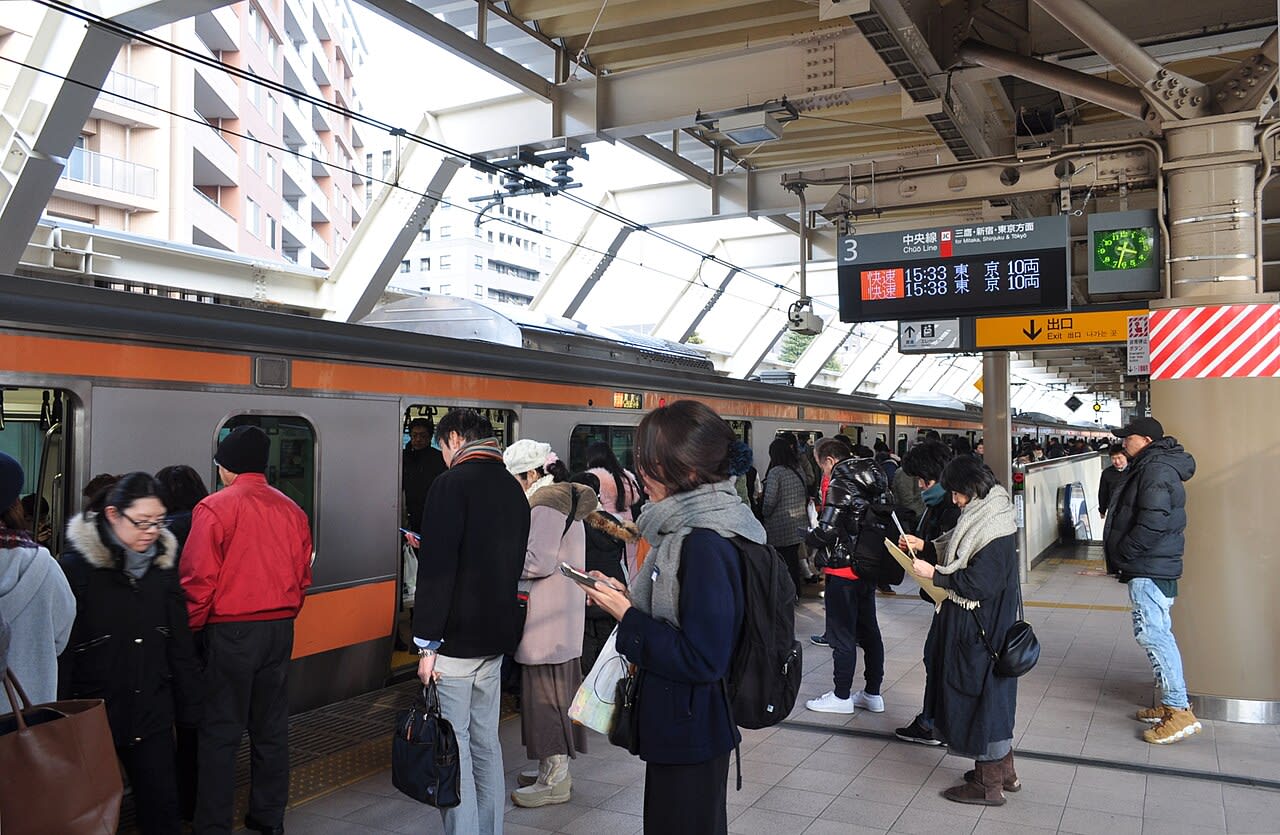
The easiest path for a new student: grab a data SIM at the airport or online before you land, then switch to Rakuten, povo or LINEMO once your residence card is in your hand. Expect roughly ¥0 to ¥3,000 a month (approximate; plans and prices change, so confirm on each provider's official site).
In Japan your phone is more than a phone. School notices, part-time shifts, maps, train times, all of it lives there. Searching for a japan sim card for international students can feel confusing, so let's go step by step.
Step 1: Sort a temporary connection before or on arrival (¥0–¥3,000, about a day)
When you land at Narita or Haneda you need data straight away for addresses, trains and your school contact. A japan prepaid sim at airport is easy but pricey: a 7–30 day data SIM is usually ¥2,000–¥4,000. Buying online first, or using an eSIM, is often cheaper. Just check that your phone is SIM-free.
Step 2: Check whether your phone is unlocked (¥0, 10 minutes)
Whether your Bangladeshi phone works depends on its lock and supported bands. Look in Settings for eSIM support, because many cheaper Japanese plans now come as eSIM.
Step 3: Get your residence card and register your address (¥0, 1–2 weeks)
Permanent plans usually need your residence card (在留カード). You get it at the airport, but the address is added at the city office, within 14 days. For any japan mobile plan residence card search, this is the real requirement. Some carriers also want your passport, so carry both.
Step 4: Pick a plan (¥0–¥3,000 a month, about a day)
Rakuten Mobile: pay by usage, roughly ¥1,078 up to 3GB, ¥2,178 up to 20GB, then a cap around ¥3,278. Great in cities, weaker in rural areas. A lot of people choose rakuten mobile bangladeshi student setups for the app and easy sign-up.
povo 2.0: ¥0 base fee, top up data when you need it (around ¥990 for 3GB over 30 days). But you must buy something or make a call at least once every 180 days or the line can be cancelled. LINEMO: about ¥990 for 3GB, about ¥2,728 for 20GB (approximate), on SoftBank's solid network. ahamo is similar, around ¥2,970 for 20GB.
povo vs linemo vs ahamo, in short: light user, go povo; steady data user, go LINEMO. That's the simplest answer to the cheapest mobile plan japan student question.
Step 5: Can you get a number without a bank account?
how to get phone number in japan without bank account: yes, it's possible. Use an airport prepaid SIM, or an online eSIM paid by credit card. But most long-term plans want a credit card or bank account for billing. Run on prepaid until you open a Japan Post Bank or another account. One caution: some carriers screen new residents or foreign cards more strictly, so don't be discouraged if your first application is rejected.
Step 6: Home wifi or pocket wifi?
home wifi pocket wifi japan student: dorms and share houses usually include wifi. A home fibre line on your own costs around ¥4,000–¥5,500 a month with a two-year contract, and breaking it costs money. For language school, your phone data or a short pocket wifi rental is often enough.
I always tell students: don't sign a two-year contract in your first month. You can compare places on our Japan cities page, and budget your month with the cost guide. If you plan to work, the part-time jobs guide helps, and the living in Japan guide covers the rest.
If you're still weighing countries, whether you're after a scholarship for Bangladeshi students or hoping for a study abroad with part-time job setup, here's what daily life in Japan offers: you can walk home from the station at 11 p.m. feeling safe, trains arrive on the minute, and a phone plan costs less than a few meals. That calm, well-organised daily rhythm is a big part of why Japan is so liveable.
I counsel students at our Narayanganj (Chashara, College Road) office at Inochi Global Education Institute. If you'd like a hand with SIM setup, address registration and your first week after landing, have a look at our post-arrival support service.
Comments
…