
Eid in Tokyo: Where Bangladeshi Students Pray, Eat and Celebrate Together
Imagine this: you're in Tokyo, it's the last day of Ramadan. You spot the crescent moon in the evening sky, and suddenly you miss home—the hustle of Eid preparations in Dhaka, your family around you. But here's the thing: the number of Bangladeshi students in Japan is growing every year, and Eid in Tokyo is no longer a lonely affair—it's turned into a massive reunion.
How Do Bangladeshi Students Celebrate Eid in Tokyo?
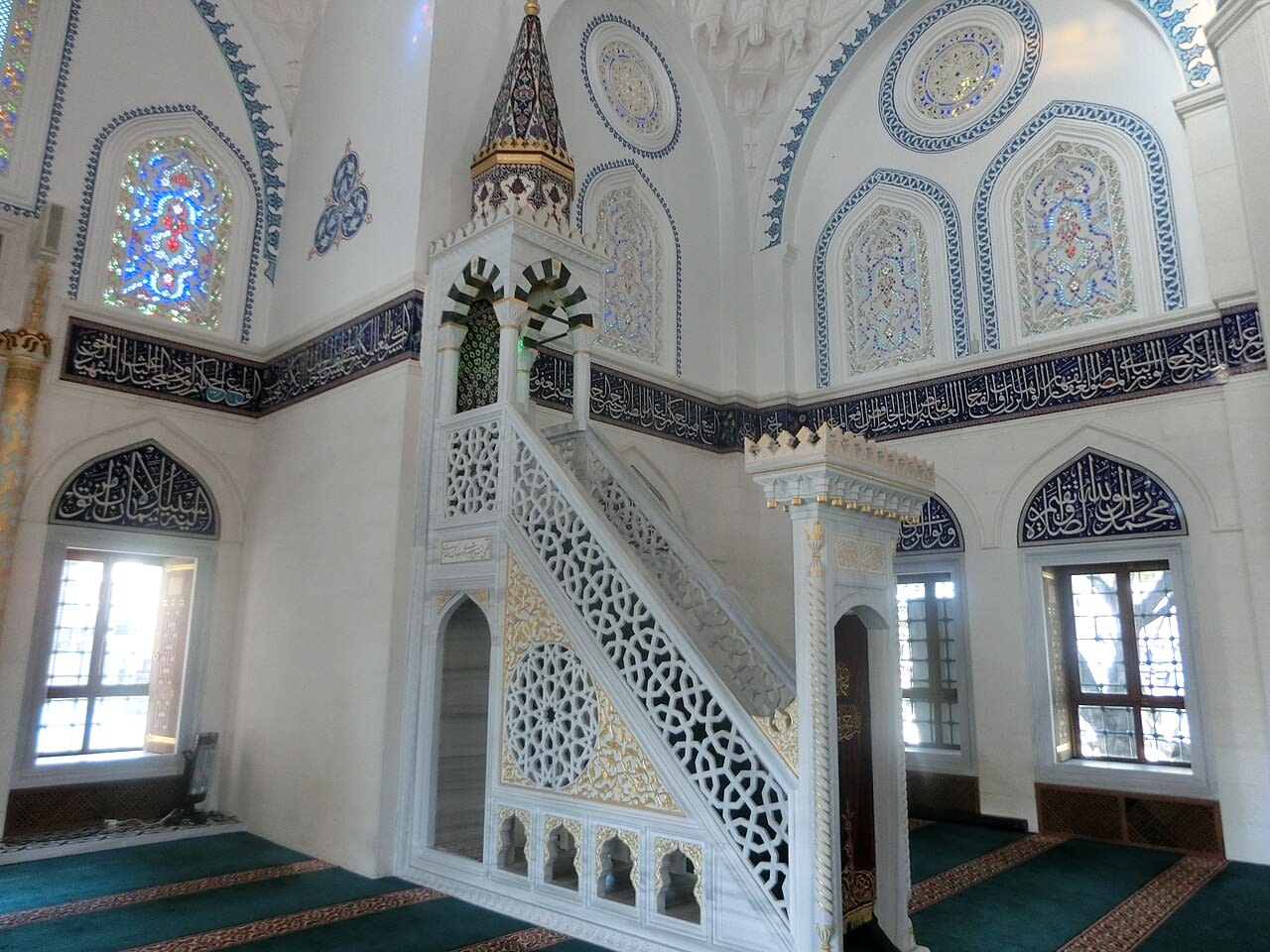
From my own time in Japan, I've seen the city's mosques fill up with Bangladeshi students on Eid morning. The most famous is Tokyo Camii—near Yoyogi-Uehara Station in Shibuya. There's also Asakusa Mosque and the Islamic Center Japan.
After the Eid prayer, everyone hugs and greets each other, and then the feasting begins. Head to Ameyoko market near Ueno Station—you'll find halal meat, spices, dates, everything. Many students shop there and cook at home.
I recall one Eid when a few friends and I went to Okubo—often called Little Bangladesh in Tokyo. You'll find Bangladeshi restaurants serving kacchi biryani, rezala, even fuchka. Prices are a bit higher (a plate of biryani can cost 800–1,200 yen, roughly 600–900 BDT), but the taste will instantly take you back home.
Why Japan is a Great Choice for Your Studies
Now, about the bigger picture—why Japan is genuinely a great place to study. Let's be honest about it.
Safety: Your Parents Will Sleep Peacefully
Japan is one of the safest countries on earth. Walking alone at 2 AM in Tokyo? No fear. A friend of mine once left his phone on a train; he went to the station lost-and-found the next day, and it was there, waiting. This isn't rare. Bangladeshi parents often ask, "Is it safe there?" I smile and say, "The biggest risk your child faces is overworking at a part-time job—and we guide them on that too."
Culture and Technology: Old and New, Side by Side
Japan gives you skyscrapers and ancient temples in the same city. In Tokyo, you have Akihabara for cutting-edge electronics, and Asakusa for centuries-old shrines. And Japanese work ethic—punctuality, cleanliness, dedication—will rub off on you in the best way.
Quality of Life: Living and Eating Well
Healthcare, transport, food—all are top-notch. Tokyo's subway runs on time, streets are so clean you won't want to litter. And the food—sushi, ramen, tonkatsu—is incredibly diverse. Bangladeshi students miss rice and curry at first, but they soon learn to enjoy Japanese cuisine.
Work Ethic and Part-Time Jobs
Part-time work is plentiful. International students can work up to 28 hours a week (40 during holidays). Restaurants, convenience stores, factories—there are options. Hourly wages are typically 1,000–1,200 yen (roughly 750–900 BDT), which can cover living costs. But remember: don't let work hurt your studies—that's my strongest advice.
Scenery and Daily Life
Japan's beauty changes with the seasons—cherry blossoms in spring, lush green in summer, red leaves in autumn, snow in winter. On days off, you can visit Mount Fuji or Kamakura's temples. Even in central Tokyo, there are large parks like Yoyogi or Ueno where you can sit and enjoy nature.
The Bangladeshi Community in Tokyo: You're Never Alone
Bangladeshis have a strong presence in Japan, especially in Tokyo, Osaka, and Nagoya. Edogawa Ward and Okubo in Shinjuku have Bangladeshi shops, restaurants, even halal supermarkets.
Organizations like the Japan Bangladesh Society and student groups host Eid congregations, picnics, and cultural events. A few years ago, I traveled from Osaka to Tokyo just to celebrate Eid with Bangladeshi friends—it truly felt like being at home.
But let's be honest: the first Eid away from family can be tough. Yet soon, you build your own 'Japanese family' with new friends, where Eid means cooking together, sharing stories, and laughing.
An Honest Word on Costs
Is Japan cheap? No—it's a bit more expensive than some European countries. But for Bangladeshi students, it's feasible. Tuition fees for public universities are around 600,000–800,000 yen per year (about 450,000–600,000 BDT), and language schools can be slightly less. Including rent, food, and transport, budget around 80,000–120,000 yen per month (60,000–90,000 BDT). Part-time work can cover a large portion.
If you're wondering which country is truly the cheapest to study abroad, consider Japan. Compared to many others, Japan offers reasonable costs with excellent value. But parents, be prepared for initial expenses—bring some savings.
And for those still deciding, I often hear the question, What is the study abroad cost from Bangladesh? Our website has detailed cost breakdowns—check them out. Remember, costs vary based on your chosen school and city.
Preparing for Japan
To study in Japan, you first need admission to a language school or university. Typically, a JLPT (Japanese-Language Proficiency Test) level of N5 or N4 helps, but many schools accept beginners.
The visa process is relatively straightforward—you need a Certificate of Eligibility from your institution to apply for a student visa. From Bangladesh, the whole process takes 3–6 months. A good consultancy can guide you. There are many agencies in Bangladesh; choose one that is transparent and thorough.
If you're searching for student visa consultancy Bangladesh, we at Inochi Global Education Institute can help you with school selection, visa processing, and even post-arrival support.
Final Thoughts
Coming to Japan isn't just about earning a degree—it's a new chapter of life. You'll work hard, but in return, you'll get a safe, orderly, and opportunity-filled life.
And I'm sure your first Eid in Japan might start with a few tears, but it will end with smiles—surrounded by friends, love, and a plate of kacchi biryani. If you dream of making Japan your home for studies, start preparing today.
Are you interested in studying in Japan? I counsel students at our Narayanganj (Chashara, College Road) branch of Inochi Global Education Institute. Feel free to reach out—we're here to help you with our study in Japan services and guide you on the right path.
Comments
…