
Monthly Budget for a Bangladeshi Student in Tokyo: Complete Breakdown
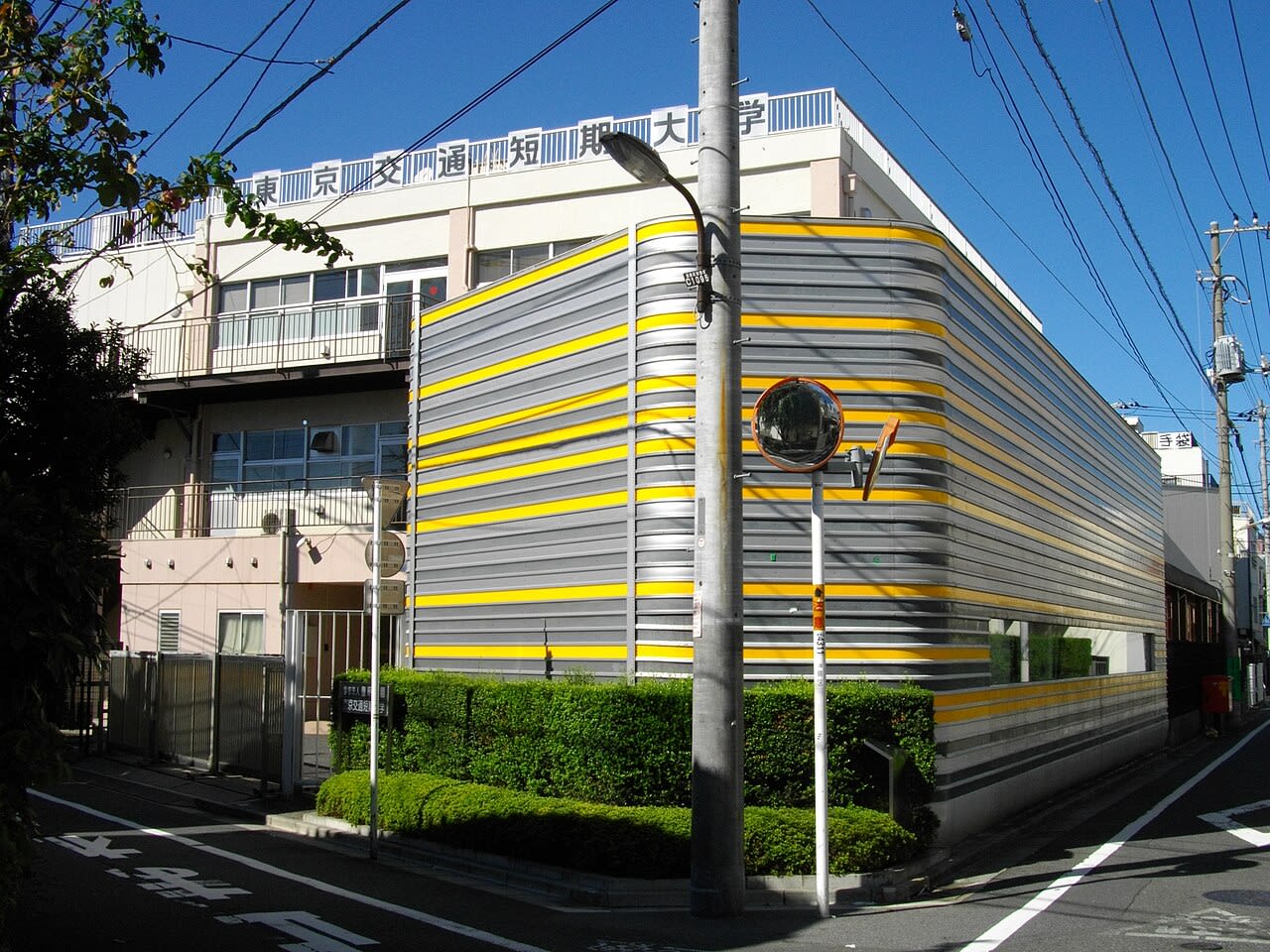
Thinking of studying in Tokyo? Great decision! But before you pack your bags, let's talk money. I've helped dozens of Bangladeshi students plan their budgets, and here's what I've learned.
Main Monthly Expenses
1. Housing and Food
Rent is your biggest cost. A shared house or small apartment in Tokyo runs ¥50,000–¥80,000 per month (about 40,000–65,000 BDT). If you cook at home, food costs around ¥30,000–¥40,000 monthly. Eating out will double that.
2. Transportation
Tokyo's public transport is excellent but pricey. A student commuter pass (定期券) costs ¥10,000–¥15,000 per month. For example, a pass from Ikebukuro to Shibuya on the JR line is about ¥10,000. Cycling is much cheaper.
3. Utilities and Phone
Electricity, gas, and water come to ¥8,000–¥12,000 monthly. A mobile SIM costs ¥2,000–¥3,000. Share internet with roommates to save.
Part-Time Work: Your Income Source
Most Bangladeshi students work part-time. In Tokyo, hourly wages are ¥1,000–¥1,200. With 28 hours per week, you can earn ¥110,000–¥120,000 per month—enough to cover living costs. But make sure it doesn't hurt your studies.
A heads-up: Without decent Japanese (JLPT N3 or above), finding a job is tough. So start learning early.
Hidden Costs to Watch For
Beyond monthly expenses, you'll need one-time payments: entrance fees, tuition (¥500,000–¥800,000 per year), flight tickets, and about ¥200,000–¥300,000 for your first month in Japan.
Tips to Save Money
- Live in a share house – halves rent.
- Use a bicycle – cheaper than train passes.
- Cook your own meals – eating out is costly.
- Use student discounts – many places offer 10–20% off.
Budgeting isn't just on paper—you have to live it. The first months will be tight, but you'll adjust. And remember, Tokyo's quality of life, safety, and culture make every yen worth it.
Ready to start planning? Check our eligibility guide or contact us for personalized advice.
Comments
…